
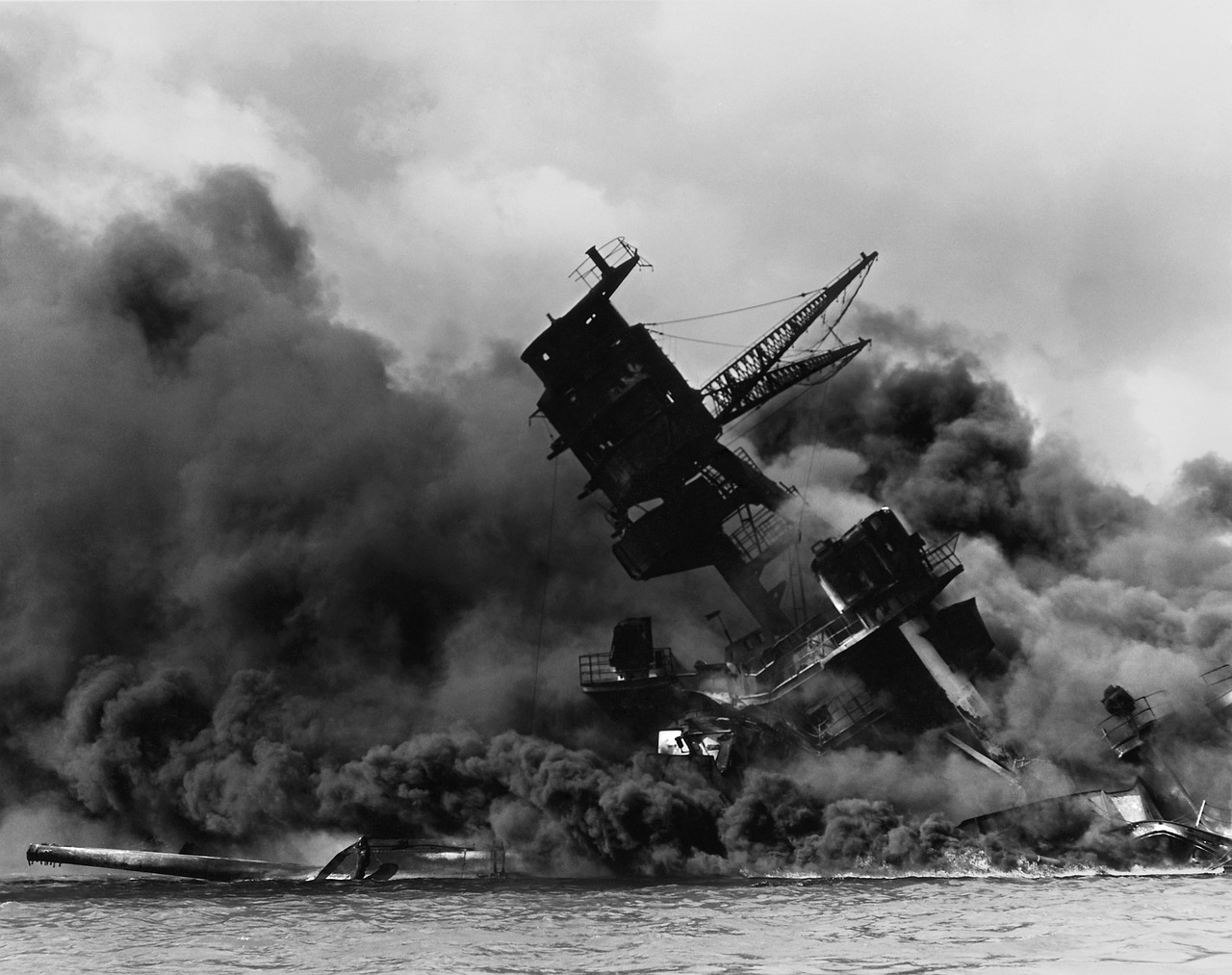
 Today is the day from 1941 that President Franklin D. Roosevelt said would “live in infamy.” It’s the day Pearl Harbor was attacked during WWII. Months before, the United States had been trying to negotiate with Japan. This attack signaled the end of negotiations and thrust the United States into the war.
FDR went on to say, “No matter how long it may take us to overcome this premeditated invasion, the American people in their righteous might will win through to absolute victory. I believe I interpret the will of the Congress and of the people when I assert that we will not only defend ourselves to the uttermost, but will make very certain that this form of treachery shall never endanger us again.”1
“Just before 8 a.m. on that Sunday morning, hundreds of Japanese fighter planes descended on the base, where they managed to destroy or damage nearly 20 American naval vessels, including eight battleships, and over 300 airplanes. More than 2,400 Americans died in the attack, including civilians, and another 1,178 people were wounded… Half of the dead at Pearl Harbor were on the USS Arizona.”2
Who was to blame for this disaster besides the Japanese?
By 1946, a Joint Congressional Committee concluded that everyone was to blame. The Secretary of War, Henry Stimson, was blamed for secrecy and failure to share information. Ill-preparedness was blamed on Army General Walter Short and Admiral Husband Kimmel who were the commanders at Pearl Harbor. Both men received demotions and then retired. Washington-based officials were blamed for not giving more credence and attention to intel suggesting that Japan was going to be launching an attack. Even FDR received censure.3
The families of Short and Kimmel have petitioned the United States government to posthumously exonerate the men of any wrongdoing and restore their rank. Presidents Clinton and Bush refused to take any action to overturn the decisions.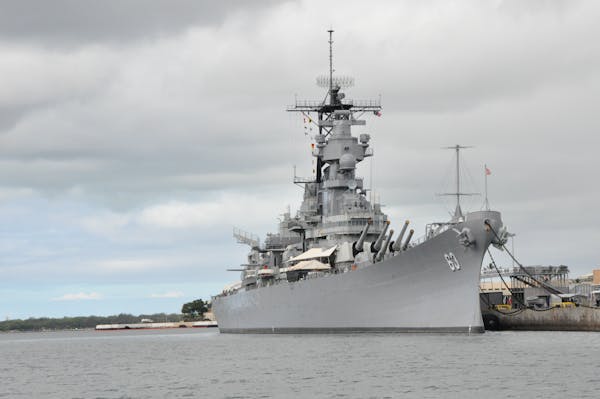
It’s easy to cast blame but seldom do we see anyone claim blame and take responsibility. Imagine how much government oversight could have been negated if someone would have just said, “This is what I did and I made the wrong decision.”
President Ronald Reagan once said, “We must reject the idea that every time a law’s broken, society is guilty rather than the lawbreaker. It is time to restore the American precept that each individual is accountable for his actions.”4 Can we say AMEN to that?!?
James 1:13 says, “Let no man say when he is tempted, I am tempted of God: for God cannot be tempted with evil, neither tempteth he any man.” In other words, don’t blame God when you mess up. Don’t point a finger at Him and say, “It’s YOUR fault!”
Instead, we need to look in a mirror and slowly read aloud James 1:14-16. Look up and occasionally make eye contact with yourself as you read this. “But every man is tempted, 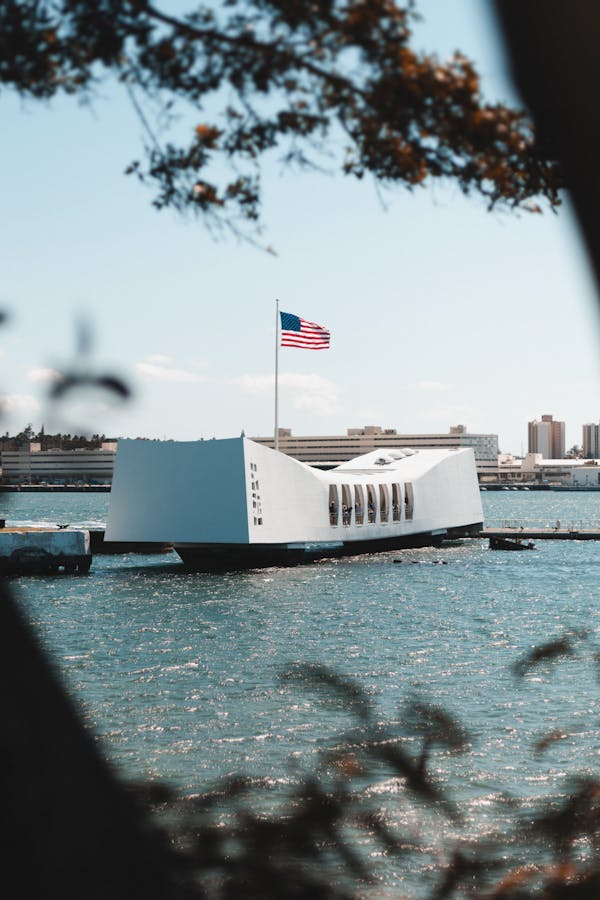 when he is drawn away of his own lust, and enticed. (15) Then when lust hath conceived, it bringeth forth sin: and sin, when it is finished, bringeth forth death. (16) Do not err, my beloved brethren.”
It’s MY fault. There’s no one to blame but ME. And nothing is going to get fixed and made right until I deal with myself. Now that’s some hard truth to swallow.
While we may not get this kind of truth and transparency from our government leaders, it ought to start with us as individual Christians. May we get as bluntly honest with ourselves and God as David did in Psalms 51:3-4. “For I acknowledge my transgressions: and my sin is ever before me. (4) Against thee, thee only, have I sinned, and done this evil in thy sight: that thou mightest be justified when thou speakest, and be clear when thou judgest.”
1https://www.history.com/topics/world-war-ii/pearl-harbor
2Ibid.
3https://www.csmonitor.com/USA/2009/1210/p02s04-usgn.html
4https://shawnethomas.com/2012/09/30/what-real-faith-looks-like-the-blame-game-james-113-16/
Images are taken from https://pixabay.com/, https://www.pexels.com/, or https://unsplash.com/images or created in Windows Copilot. According to the websites, they are Royalty Free and free to be used for our purposes.
