
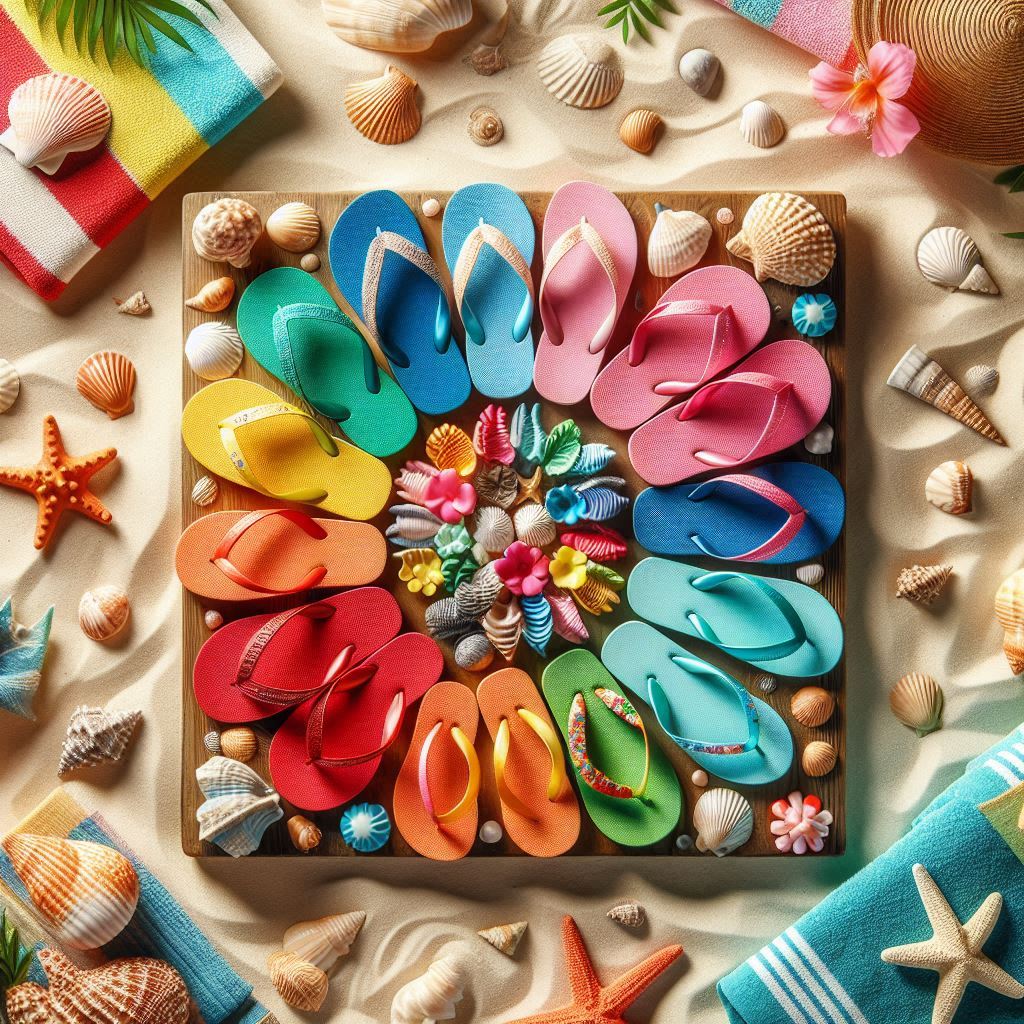
 In Japan, you might wear zoris. In New Zealand, they’re called jandals. The Indians refer to them as chappals while Filipinos call them tsinelas, South Africans call them plakkies, and those from the Bahamas, Hawaii, Jamaica, and Trinidad call them slippers. Americans named them according to their sound – flip flops.
Other countries might use more natural materials such as rice straw or leather. But, thanks to Japan, we utilize a synthetic rubber material. And it all stems from WWII.
“After World War II, Japan needed a way to rebuild its economy. The country had seized many natural resources from throughout Southeast Asia, including rubber. Desperate for a way to rebuild, Japan replicated the simplest piece of Japanese footwear using their rubber reserves, thus creating the flip-flop. Flip-flops were introduced to America in the 1950s; women and children were the first to adopt them. They were also a hit with surfers, which created the enduring connection between flip-flops and California’s surf scene. At first, the new sandals were called “thongs,” so named after the piece between the toes, but by the 1960s, the term “flip-flops” had come into use; it was based on the sound the shoes made as the wearer walked. Both terms were used interchangeably until the 1980s, when “thong” came to be used solely to describe a style of underwear and “flip-flop” was used to refer to the shoe. (Australians still call them thongs.) Today the basic design of flip-flops remains more or less the same as when they first hit the market and their popularity has only grown over the years.”1
Does anyone cringe at the sound of fingernails on a chalkboard? What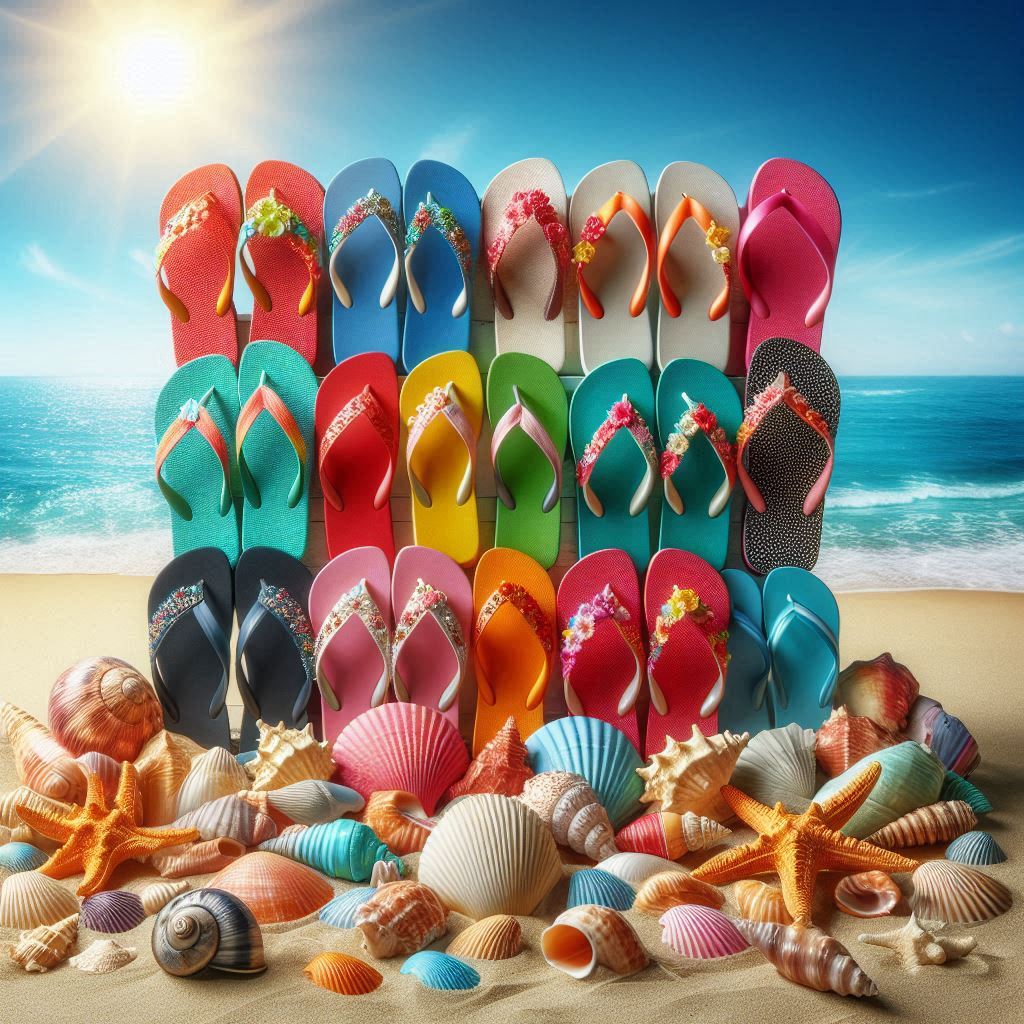 about the sound of a plastic straw squeaking as it goes up and down through the hole in the plastic lid? Well, that’s what the sound of flip flops does to me. Not only does the sound bother me but it has a physical effect as well. I hear it and know I shouldn’t look but I feel my head turning towards the offensive sound, only to see the disgusting dirty feet that are as black as sin from the day of unprotected footwear. You know that the individual just kicks their flip flops off and walks through a house, wiping them on the tile floors and rubbing them on the carpet. Might as well have kept the flip flops on. They are cleaner.
While some of you are rolling your eyes at my issues, I add to them my feelings of sheer disgust and nausea concerning feet. I was going to be a doctor but I would never have been a podiatrist!
Now, baby feet and the feet of little kids are cute. As we age, though, our feet become gnarly! Toes start going different directions; corns, callouses, cracked heels, and bunions develop; toe nails can start to discolor; the knuckles start getting hairy; hammer toes develop.
Don’t get me wrong. I’m very happy the Lord has given us feet. But why can’t they be covered and STAY covered like other parts of our body? This is just my opinion. I’m not pontificating on some aberrant doctrine just discovered in lost manuscripts of Scripture. It’s just my issue.
While I work to resolve it – okay, who am I kidding?? – let’s consider what the Lord says about the feet. Isaiah 52:7 says, “How beautiful upon the mountains are the feet of him that bringeth good tidings, that publisheth peace; that bringeth good tidings of good, that publisheth salvation; that saith unto Zion, Thy God reigneth!” Portions of this are repeated in Nahum 1:15 and Romans 10:15. Feet spreading the Gospel are beautiful feet.
Part of the armor of God is that we have our “feet shod with the preparation of the Gospel.” (Ephesians 6:15)
We can rejoice in the Lord during trials and struggles because of what He does for our feet. Habakkuk 3:17-19 says, “Although the fig tree shall not blossom, neither shall fruit be in the vines; the labour of the olive shall fail, and the fields shall yield no meat; the flock shall be cut off from the fold, and there shall be no herd in the stalls: (18) Yet I will rejoice in the LORD, I will joy in the God of my salvation. (19) The LORD God is my strength, and he will make my feet like hinds’ feet, and he will make me to walk upon mine high places. To the chief singer on my stringed instruments.”
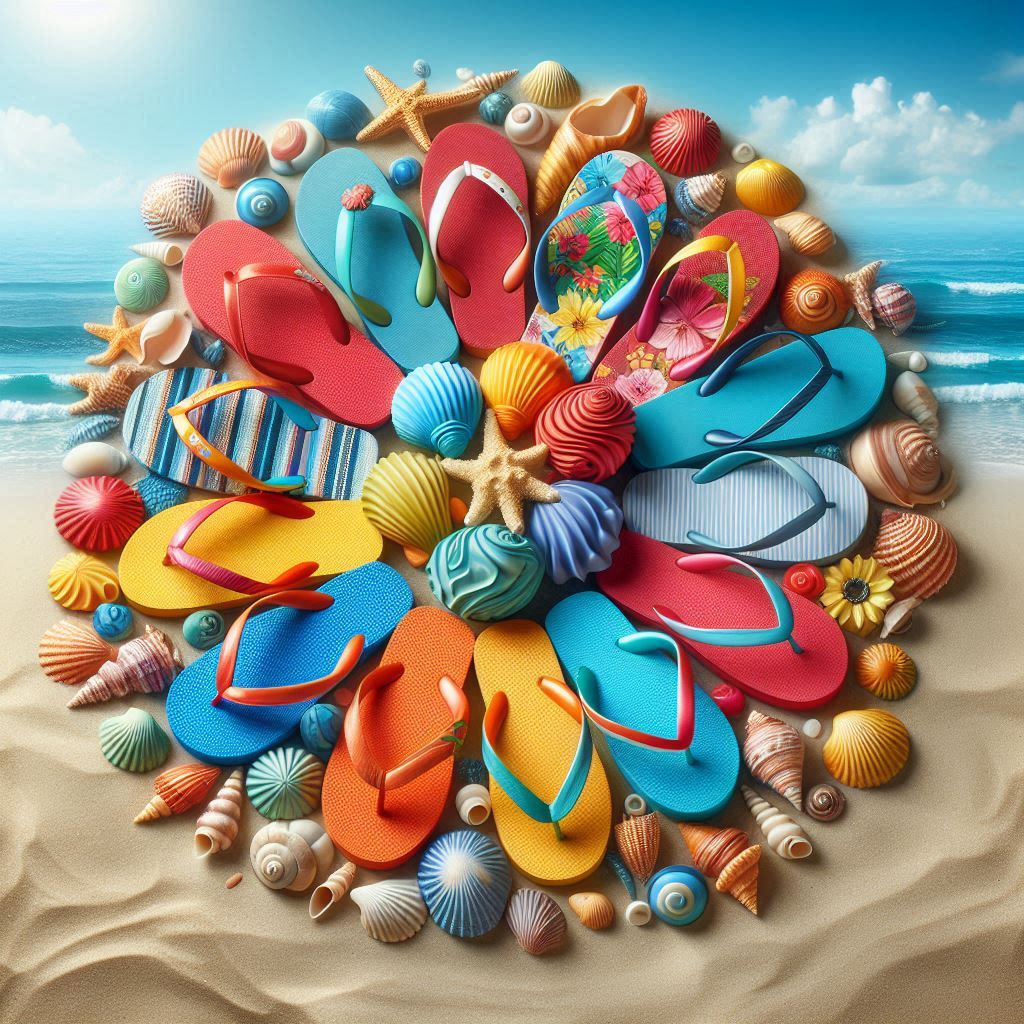 Even that which makes me cringe, God makes “beautiful in His time.” (Ecclesiastes 3:11) What a wonderful promise to cling to today.
It’s May 29th and some of you might be reading this devotional while wearing flip flops. Know that I love you and I’m not grossed out by you, even if you insist on wearing those wannabe shoes with a thick piece of dental floss between your big toe and its neighboring toe. But Solomon was the wisest man ever, right? Listen to what he said under the inspiration of God.
“How beautiful are thy feet with shoes, O prince’s daughter! …” (Song of Solomon 7:1) 😊
1https://www.backthenhistory.com/articles/the-history-of-flip-flops
Images are taken from https://pixabay.com/, https://www.pexels.com/, or https://unsplash.com/images or created in Windows Copilot. According to the websites, they are Royalty Free and free to be used for our purposes.
