

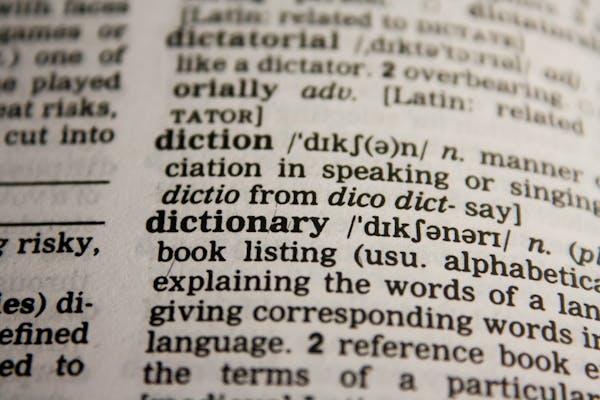
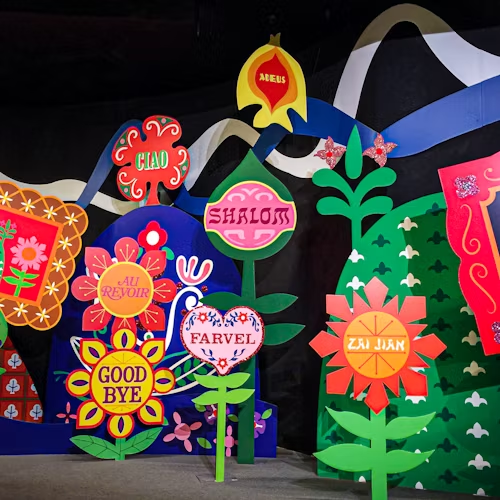
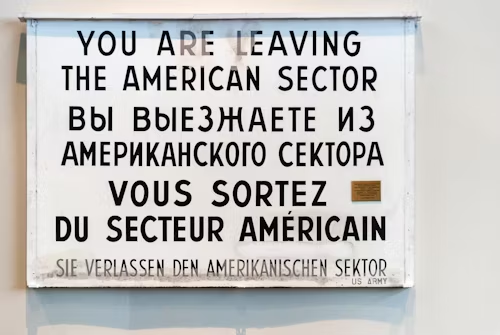
 There’s no doubt that the English language has its challenges. However, it’s not as difficult as it might seem. According to Rosetta Stone, there are over 7,000 different languages spoken in the world. To help assess the difficulty of the languages, the Foreign Service Institute of the State Department has divided all the languages into five categories.
“Their criteria is largely tied to the average length of time it takes a student to learn a language, which we’ll dive into in the next section… Language difficulty rankings exist so you can set the fluency goal posts at a realistic distance.”1
The fourth and hardest category takes 88 weeks (2200 hours of practice) to become proficient. Languages in this category include Arabic, Korean, Chinese, and Japanese.
English is placed in the easiest category of languages to learn along with French, Spanish, Danish, and Italian. It will take someone 24-30 weeks (600-750 hours of practice) to reach competency in the language. Still, there are those who have been speaking English all their lives and no other language who still stumble pronouncing certain words.
Cavalry vs. Calvary. There’s a big difference. However, the cavalry is often called the calvary.
Comfortable. You might look at that and say, “Piece of cake.” How many syllables in the word? If you say three, you mispronounce the word. It’s not kuhmf-ter-bul, it is kuhm-fer-tuh-buhl.
February. How many people drop the first “r” sound?
Library. Not, lie-berry. Again, why don’t people like the first “r”?
Often. Oh, my! We used to purposefully drive my English teacher crazy with this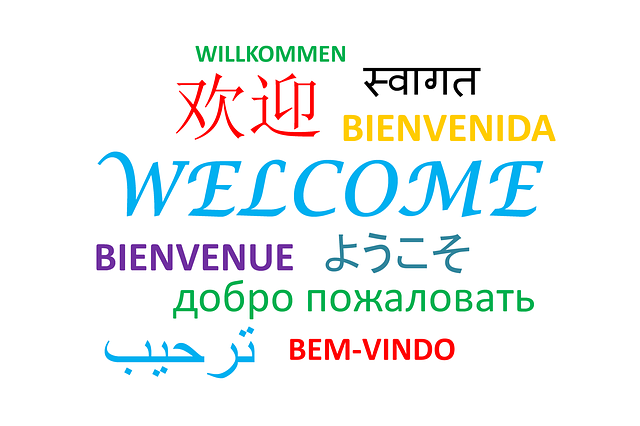 one. The “t” is silent, folks! But, in her class, we would intentionally say “off-ten.” I can still see her eyes grow huge and those big eyelashes opening like a Venus flytrap!
Temperature. Again, four syllables, not three. Tempra is the brand name of paints, not the start of tempra-ture.
Worcestershire. Okay, we aren’t going to worry about this word because nobody really knows how to say it without thinking about it first.
Now, here’s one more tricky word: Shibboleth. Saying this word wrong could get you killed!
Judges 12 tells the story about Jephthah, one of the judges God appointed over Israel. In verses 4-6, it says, “Then Jephthah gathered together all the men of Gilead, and fought with Ephraim: and the men of Gilead smote Ephraim, because they said, Ye Gileadites are fugitives of Ephraim among the Ephraimites, and among the Manassites. (5) And the Gileadites took the passages of Jordan before the Ephraimites: and it was so, that when those Ephraimites which were escaped said, Let me go over; that the men of Gilead said unto him, Art thou an Ephraimite? If he said, Nay; (6) Then said they unto him, Say now Shibboleth: and he said Sibboleth: for he could not frame to pronounce it right. Then they took him, and slew him at the passages of Jordan: and there fell at that time of the Ephraimites forty and two thousand.”
The pronunciation of words gives us away as to where we are from. Language gives us away as to who we are deep down inside. Jesus said in Matthew 12:34, “O generation of vipers, how can ye, being evil, speak good things? for out of the abundance of the heart the mouth speaketh.”
The devotional is titled floccinaucinihilipilification. The Oxford Dictionary says that the word means “the action or habit of estimating something as worthless.” Is it an exercise in floccinaucinihilipilification to be so concerned about our speech? I don’t think so. In fact, just the opposite.
While mispronouncing a word isn’t the end of the world (unless you’re an Ephraimite!), saying wrong, inappropriate words signals that something is desperately wrong in our hearts. We must carefully listen to what we say and evaluate our heart by what comes out.
1https://blog.rosettastone.com/the-complete-list-of-language-difficulty-rankings/#The-world’s-most-widely-spoken-languages-ranked
Images are taken from https://pixabay.com/, https://www.pexels.com/, or https://unsplash.com/images or created in Windows Copilot. According to the websites, they are Royalty Free and free to be used for our purposes.
