

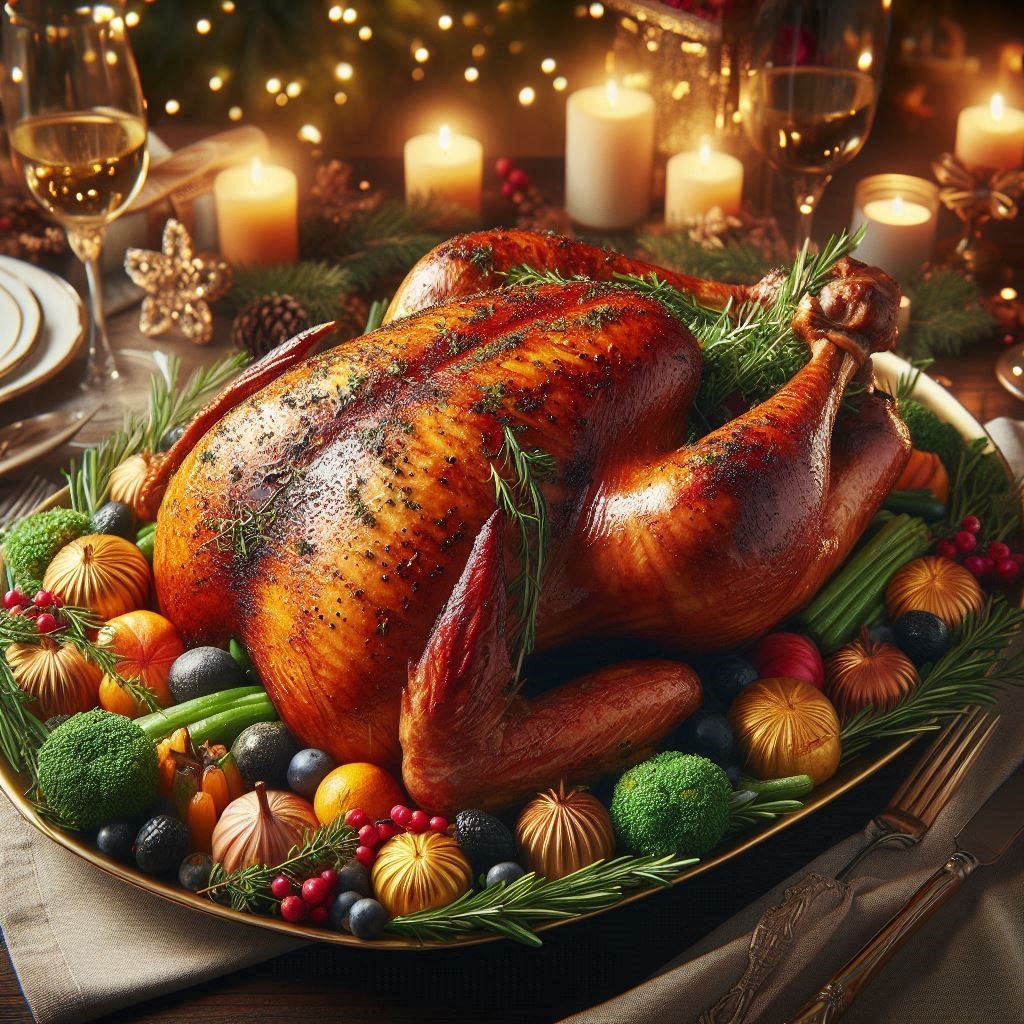
 Some unique idioms have entered the English language through the years that must puzzle those from other countries. Though the phrase isn’t used much, someone might comment that we need to talk turkey. This makes a lot more sense around Thanksgiving or Christmas when the discussion turns to Butterballs or Honeysuckles. But what does it mean when we talk turkey in the middle of the summer?
First, let’s consider the source of the phrase. The first recorded usage of the phrase is in 1824. However, the source of that phrase has a couple of possibilities. “One legend has it the phrase originated in a joke where a white man and Native American man were hunting together; after nabbing birds both tasty (turkeys) and not (buzzards), the white man tried to persuade his friend to take the buzzards, not the turkey—to which the Native American hunter allegedly responded, “You’re not talking turkey to me.”
“Another story, per World Wide Words, is that the phrase “arose because the first contacts between Native Americans and settlers often [centered] on the supply of wild turkeys, to the extent that Indians were said to have [inquired] whenever they met a colonist, ‘you come to talk turkey?’”1
Whether these origination stories are true or not is something we may never know for sure. What we do know is that if someone wants to “talk turkey,” they don’t have the fowl in mind. Instead, they are going to be blunt, frank, and honest. No beating around the bush or hedging with their words. They are just going to say it like it is.
As Jesus spoke with the crowds of people, there were times when He would use parables. It was a truth shrouded by the earthly, commonplace story. Most of the people just didn’t understand what He was getting at – including the disciples! Other times, though, Jesus was just straightforward and blunt. Such was the case in John 6.
At the beginning of the chapter, Jesus fed the 5,000 with the meager contributions of a young boy: five barley loaves and two small fish. It’s interesting that the Scriptures include the descriptors – barley loaves and two small fish. That’s not much to use as a meal starter. That would barely be enough to feed five, much less 5,000. But Jesus had no problem creating a miracle and creating so much food that there were leftovers – 12 baskets full!
John 6:22-25 describes what happened the next day. “The day following, when the people which stood on the other side of the sea saw that there was none other boat there, save that one whereinto his disciples were entered, and that Jesus went not with his disciples into the boat, but that his disciples were gone away alone; (23) (Howbeit there came other boats from Tiberias nigh unto the place where they did eat bread, after that the Lord had given thanks:) (24) When the people therefore saw that Jesus was not there, neither his disciples, they also took shipping, and came to Capernaum, seeking for Jesus. (25) And when they had found him on the other side of the sea, they said unto him, Rabbi, when camest thou hither?”
Jesus, when did you come here? David Guzik writes in the Enduring Word Commentary, “The answer would have been, “I walked over the Sea of Galilee in the night time to help My disciples, then I miraculously transported our boat across the remaining distance of the Sea. That’s when and how I came here.” However, that’s not the answer Jesus is going to give. Instead, He’s going to talk turkey – blunt, honest, and to the point with no ambiguity.
“Jesus answered them and said, Verily, verily, I say unto you, Ye seek me, not because ye saw the miracles, but because ye did eat of the loaves, and were filled. (27) Labour not for the meat which perisheth, but for that meat which endureth unto everlasting life, which the Son of man shall give unto you: for him hath God the Father sealed. (28) Then said they unto him, What shall we do, that we might work the works of God? (29) Jesus answered and said unto them, This is the work of God, that ye believe on him whom he hath sent.” (John 6:26-29)
You have to love this! Jesus turned the question back on them and told them why they came. Now, only Jesus could do this because He knew their hearts. They wanted more food and more of a miracle show. If Jesus can turn five loaves and two fish into a feast for thousands with leftovers, think what He could do with a nation under the wicked, oppressive rule of Rome!
Alexander Maclaren writes, “They were quite unaffected by the wisdom of His words and the beauty of His deeds, but a miracle that found food precisely met their wants, and so there was an excited but impure enthusiasm, very unwelcome to Jesus.”
Jesus talked turkey! He was straightforward, blunt, and to-the-point. He didn’t come to be a side show miracle performer. He came to “seek and to save the lost.” (Luke 19:10)  These miracles were intended to authenticate His claims to be God in the flesh.
God always talks turkey with us, too. He doesn’t mince words. Today, He wants to talk to us through His Word. Will we listen to those words and understand what He is saying? “For the word of God is quick, and powerful, and sharper than any twoedged sword, piercing even to the dividing asunder of soul and spirit, and of the joints and marrow, and is a discerner of the thoughts and intents of the heart.” (Hebrews 4:12)
1https://www.mentalfloss.com/posts/talk-turkey-phrase-meaning-origins
Images are taken from https://pixabay.com/, https://www.pexels.com/, or https://unsplash.com/images or created in Windows Copilot. According to the websites, they are Royalty Free and free to be used for our purposes.
