

 In a day when communication with a person on the other side of the globe is nearly instantaneous, it’s hard to imagine the events that generated great excitement in the United States 74 years ago on this day in 1951.
It was a post-WWII era. America had occupied Japan once they were defeated in the war. “Since the end of World War II in 1945, Japan had been occupied and closely monitored by the American military under the leadership of General Douglas MacArthur. By 1951, six years later, Truman considered the task of rebuilding Japan complete. Truman praised the Japanese people’s willingness to go along with the plan and expressed his pride in having helped to rebuild Japan as a democracy. Gone was the old militaristic police state; in its place was a country with a new constitution, unions for protecting the rights of laborers and voting rights for women, among many other positive changes.”1
A treaty which became known as The Multilateral Treaty of Peace with Japan was accepted by Truman. “Truman lauded the treaty as one that would help “build a world in which the children of all nations can live together in peace.” As communism was threatening to spread throughout Pacific Rim nations such as Korea and Vietnam, the U.S. recognized the need to create an ally in a strong, democratic Japan.”2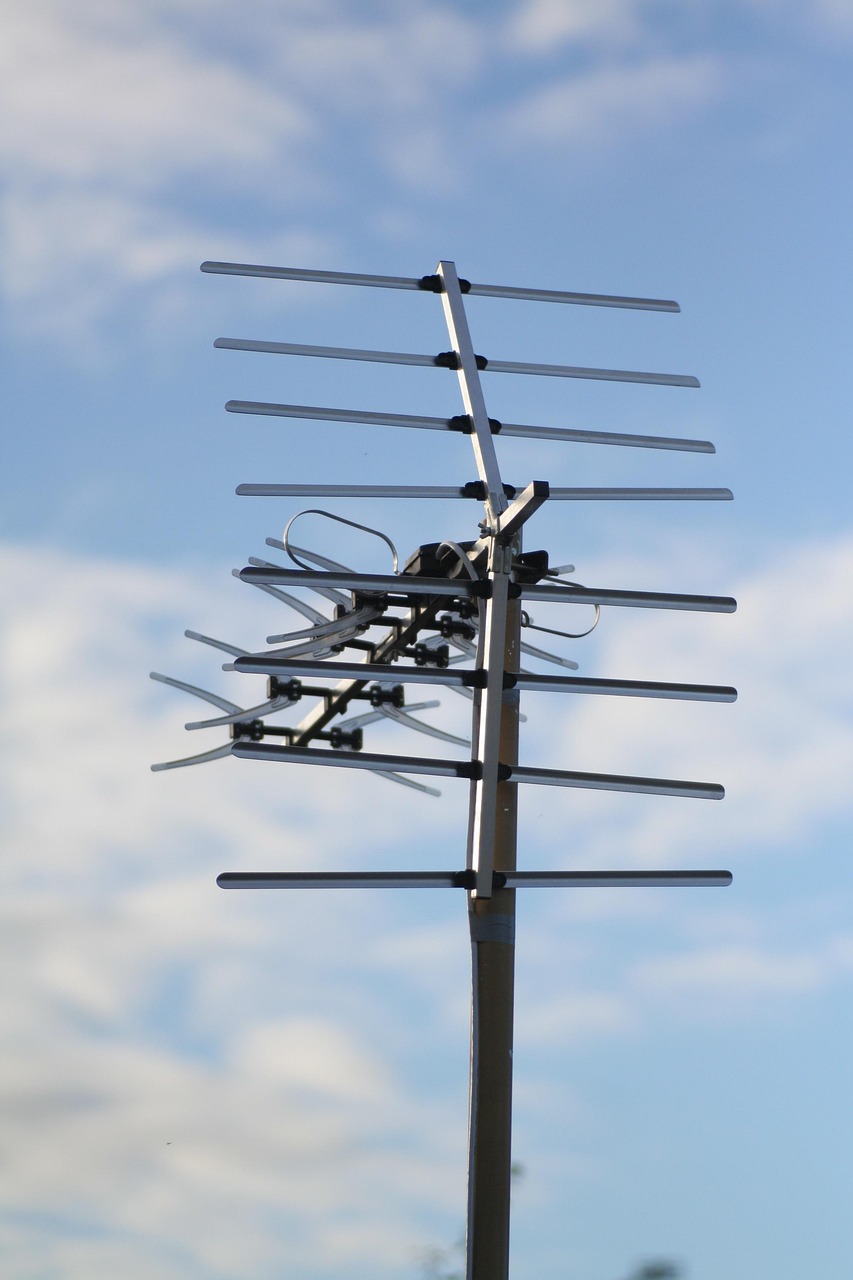
The treaty, though, isn’t what made headlines that day. Truman was at a conference in San Francisco, and his speech was televised. September 4, 1951, marked the first time anything was broadcast coast-to-coast. A mere 2,565.55 miles was covered with minimal delay.
And we cannot forget that the quality of those broadcasts was in no way close to what we have today. Technology didn’t deliver a TCL QM8 4K television with AIPQ PRO Processor with QLED ULTRA – Quantum Dot Technology, 120Hz Panel Refresh Rate (144 Hz Variable Refresh Rate) with Deep Learning AI, HDR ULTRA with Dolby Vision IQ, HDR10+, HDR10, & HLG, and a motion rate 480 with MEMC Frame Insertion.3 Instead, you had a tube TV delivering a black and white, often snowy picture to a set with a horizontal adjustment that often glitched mid-show. Every early television set had a remote control. It was called the kids!
Though we’ve come a long way over the last 74 years, I’m reminded of Solomon’s lament in Ecclesiastes 1:9. “The thing that hath been, it is that which shall be; and that which is done is that which shall be done: and there is no new thing under the sun.” Surely, 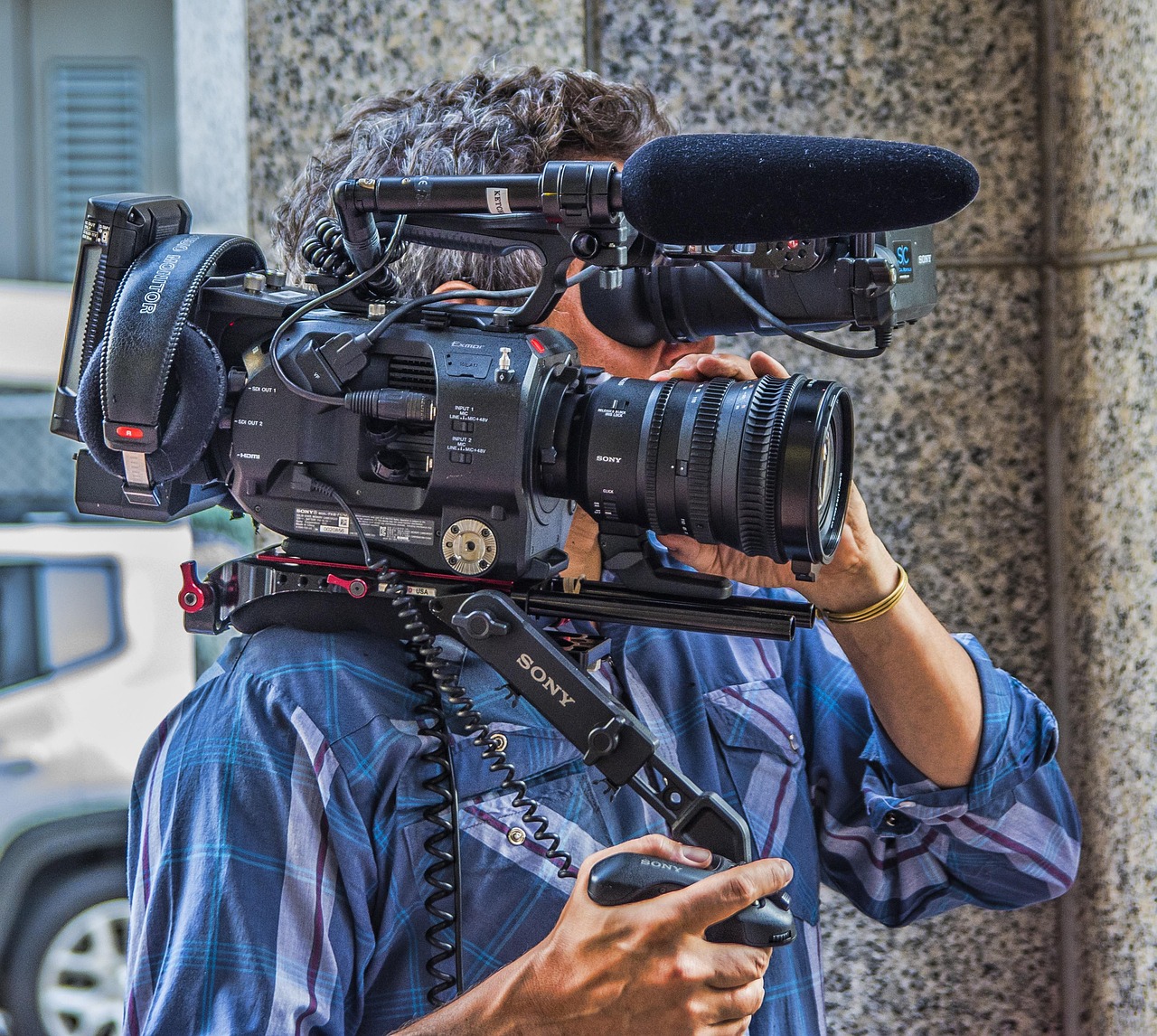 Solomon got it wrong. Even in his day, there were advancements in technology as skills were honed. What could he mean by saying that there’s nothing new?
Bible apologist Norman Geisler was asked this question and the answer is recorded in his book When Skeptics Ask. First, he points out the problem. “Solomon declared here that “there is nothing new under the sun.” But not only is this contrary to science and human history, but it is opposed by other verses of Scripture (cf. Isa. 43:19; Jer. 31:22) where God says He will do “a new thing.
“The solution? Of course there are new inventions, and God does new things. Solomon is not speaking about these, but as to how a human being can be satisfied “under the sun” (v. 8). All the regular means of wine, wealth, wisdom, and works (see Ecc. 2) have already been tried and found wanting.”4
Someone has said, “Methods are many, principles are few; methods always change, principles never do.” The author of those unchanging principles is none other than the unchanging God. Rest easy today that while we have an ever-changing world, we have a never-changing God according to Malachi 3:6. “For I am the LORD, I change not…”
1https://www.history.com/this-day-in-history/september-4/president-truman-makes-first-transcontinental-television-broadcast
2Ibid.
3https://www.amazon.com/dp/B0CZM7LZCM?linkCode=ogi&tag=pop-lift-20&ascsubtag=%5Bartid%7C10060.g.61890107%5Bsrc%7Cmgu_bg_pop_md_dsa_hybd_mix_us_21897580721%5Bch%7C7ecf335f042876c01f49d85549838429%5Blt%7C%5Bpid%7C0076f1f6-3152-44f6-b20c-02dd954685ad%5Baxid%7Cb230d39e-5b0d-483c-8caa-93f5940768d1%5Bofsxid%7Creaders_also_read%5Bofsvid%7Ccontrol&th=1
4https://www.preceptaustin.org/ecclesiastes-1-commentary#1:9
Images are taken from https://pixabay.com/, https://www.pexels.com/, or https://unsplash.com/images or created in Windows Copilot. According to the websites, they are Royalty Free and free to be used for our purposes.
